How California Solar Farms Prepare for El Niño Season: Cleaning and Maintenance Guide
California solar farm operators should wash panels and mow vegetation before an El Niño wet season arrives, because an array that enters winter carrying a full dry season of dust does not get cleaned by the rain; it gets a bonded film, a growth flush under the modules, and lower winter production than the irradiance alone would explain. For commercial and utility-scale installations across the Central Valley, Inland Empire and Southern California, the weeks before the first significant storm are the most valuable maintenance window of the year. Every Detail Solar provides pre-season washing and vegetation management for California solar portfolios.
Why does El Niño create unique soiling problems for California solar arrays?
El Niño conditions typically bring a wetter winter to California, particularly across Southern California and the Inland Empire, and often to the Central Valley as well. Rain sounds like good news for dirty panels. For commercial arrays it is more complicated.
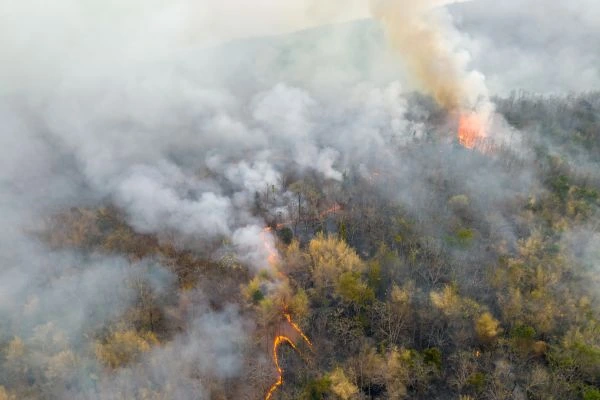
When rain falls on glass that is carrying months of dry-season dust, agricultural particulate and any wildfire ash, light or intermittent rain mobilizes that material into a slurry that dries as a film, concentrated along the lower edge of tilted modules where runoff collects. Heavy, sustained rain removes some loose material, but it does not remove the bonded film, and in most of the state heavy rain is the exception rather than the rule even in a wet winter.
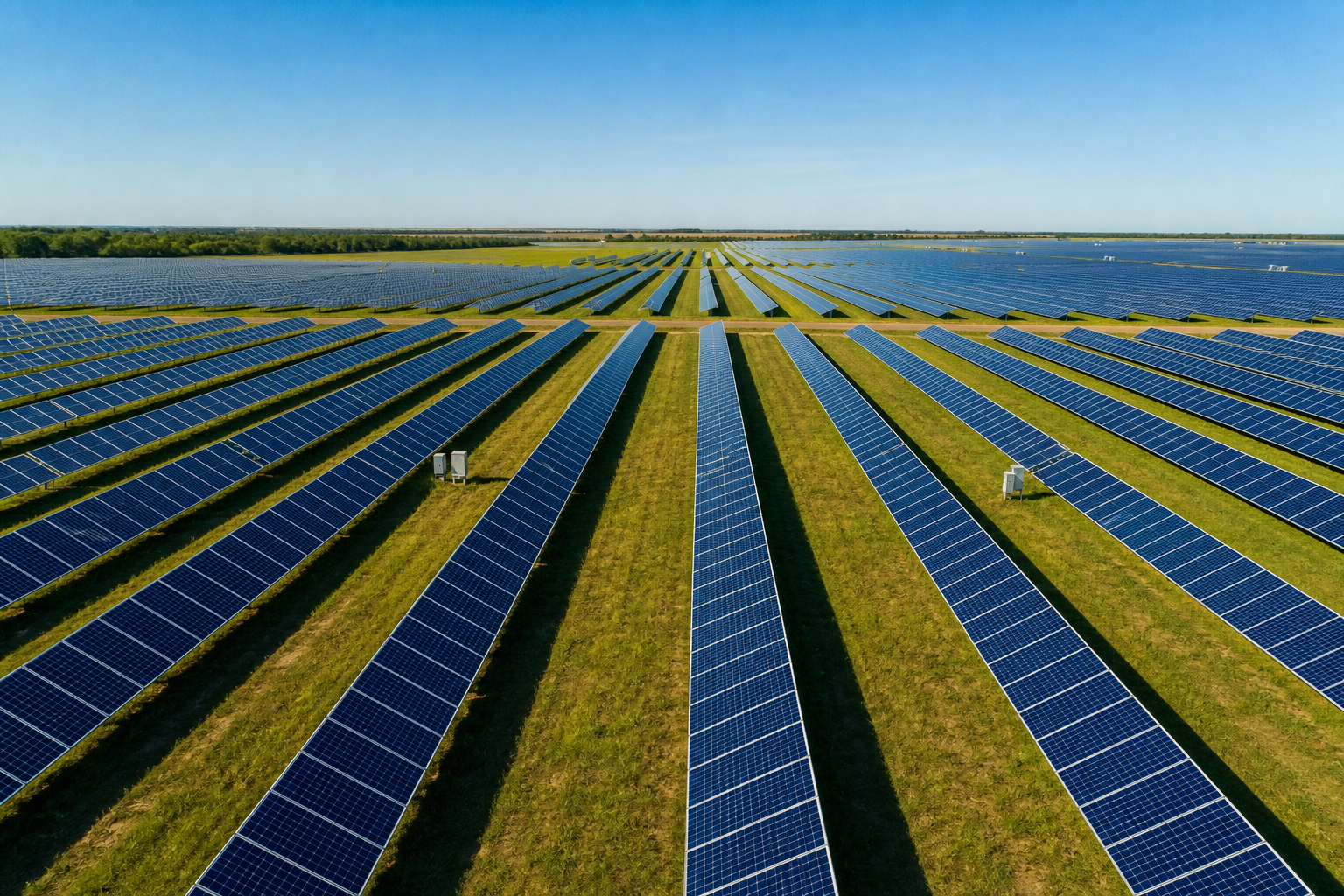
The Central Valley carries the heaviest load into winter. Months of agricultural operations deposit organic matter and fine particulate on arrays around Fresno, Bakersfield and across Kern County. Desert-adjacent sites in the Antelope Valley around Lancaster and Palmdale carry mineral dust that leaves spotting when it is wetted and dries. Operators who enter the wet season with dirty panels compound the loss: winter irradiance is already lower, so a soiling penalty on top of it is paid during the months when every kilowatt-hour is hardest to replace.
What pre-season cleaning steps maximize California solar production?
A pre-season wash is more than a rinse. Done well, it starts with a look at the site’s soiling profile, because the contaminant at a Fresno solar farm is not the same as the contaminant on an Inland Empire warehouse roof.
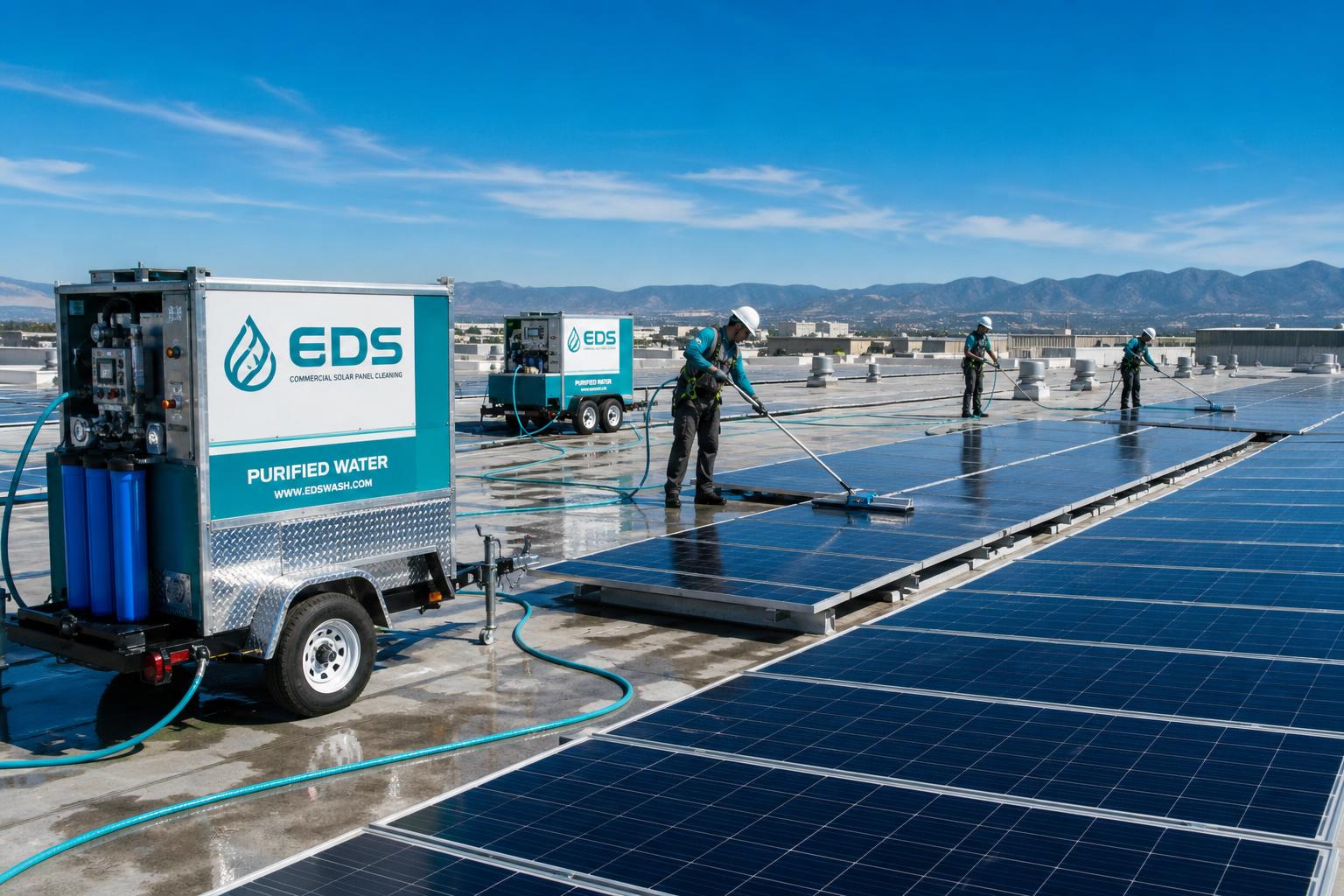
For utility-scale installations across Kern County, Tulare County and the broader Central Valley, the pre-season visit removes a full season of agricultural dust with purified water and soft-bristle agitation, leaving no mineral residue to dry on the glass. Commercial rooftop portfolios in Los Angeles, Orange County and San Diego carry urban particulate and, near the coast, salt deposits; the method is the same, but the lower edge of low-tilt roof arrays needs particular attention because that is where the film concentrates.
Carport and canopy installations in the Bay Area and Sacramento region benefit from the same pre-season wash. On canopies, uneven drainage tends to leave persistent streaks after the first rains if the array goes into winter dirty.
The pre-season visit is also the right time to document array condition: photographs of representative sections before and after, and where monitoring allows, a production reading normalized for irradiance so the recovery is on the record. Our Soiling and Recovery Report shows what that documentation looks like.
How should California solar operators manage vegetation before winter rains?
Vegetation management matters more, not less, going into a wet winter. Winter rain triggers a growth flush that can reach module height on ground-mount sites within weeks if the array goes into the season overgrown.
Across the Central Valley and Inland Empire, species that stayed dormant through the dry season respond quickly once moisture arrives. The practical pre-season scope is: cut growth within the array footprint low, clear perimeter and fence-line vegetation that will push in during the flush, remove accumulated organic debris that would otherwise decompose against equipment, and walk the site for burrowing activity, which saturated ground makes harder to address later.
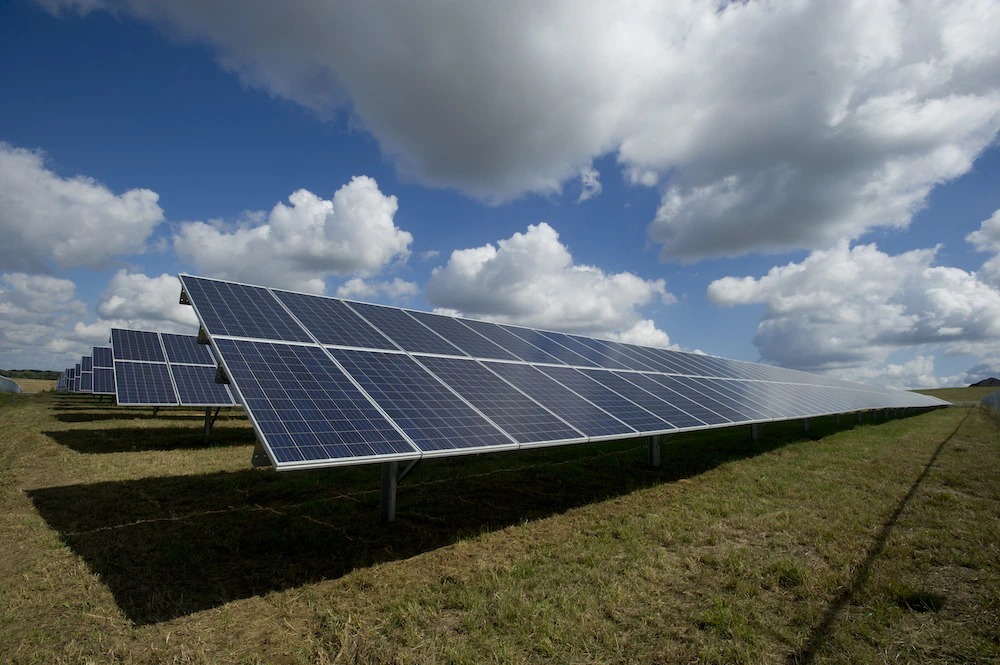
For ground-mount sites in San Diego County and Imperial County, desert species respond dramatically to a wet winter and growth rates can far exceed a normal year. A thorough pre-season clearing is the difference between a routine spring cut and a remediation job. Our vegetation management services page covers scope, and our article on what belongs in a solar farm mowing contract covers how to write the trigger into the agreement.
When is the optimal cleaning window for California solar installations?
After the last of the dry-season deposition and before the first significant precipitation. The exact window differs by region.
For Central Valley installations around Fresno, Bakersfield and throughout Kern and Tulare counties, the ideal window usually falls after harvest activity winds down and before the first real storm, so the array is washed after peak dust deposition but before moisture can bond what is left to the glass.
Southern California solar farms in the Los Angeles basin, Orange County and San Diego should account for the Santa Ana wind season. Washing immediately before a forecast offshore wind event wastes the wash. Scheduling just after one captures the most material.
Antelope Valley and Mojave-fringe installations near Lancaster and Palmdale have wide autumn temperature swings; mild-weather windows before winter are the practical choice for crews and for the glass.
Every Detail Solar works with California operators and O&M managers to pick the window from regional conditions, forecasts and the site’s own production data. Our article on why California arrays underproduce most in early autumn explains why the end of the dry season is the highest-value wash of the year.
What documentation do California asset managers need for El Niño preparation?
Asset managers and O&M providers need a record that the pre-season work happened and what condition the array was in. A useful pre-season package includes a condition assessment of the array, before-and-after photographs of representative sections, notes on the soiling observed, vegetation work performed and any equipment concerns spotted during the visit, and service timestamps that can be correlated with weather and production data afterward.
For utility-scale California farms interconnected through CAISO, knowing the array’s cleanliness going into winter helps production forecasting. For commercial rooftop portfolio managers across the Bay Area, Sacramento and Southern California, consistent documentation across sites makes portfolio-level comparison possible. And if weather-related damage does occur during a storm, a record of proactive maintenance before the season is useful to have on file.
Every Detail Solar provides before-and-after documentation on every engagement, and crews carry general liability and workers compensation coverage with a certificate of insurance available on request. For solar farm washing scope, start with our solar farm cleaning services page or the California location page.