Robotic or Manual Solar Panel Washing: Which Does a California Solar Farm Need?
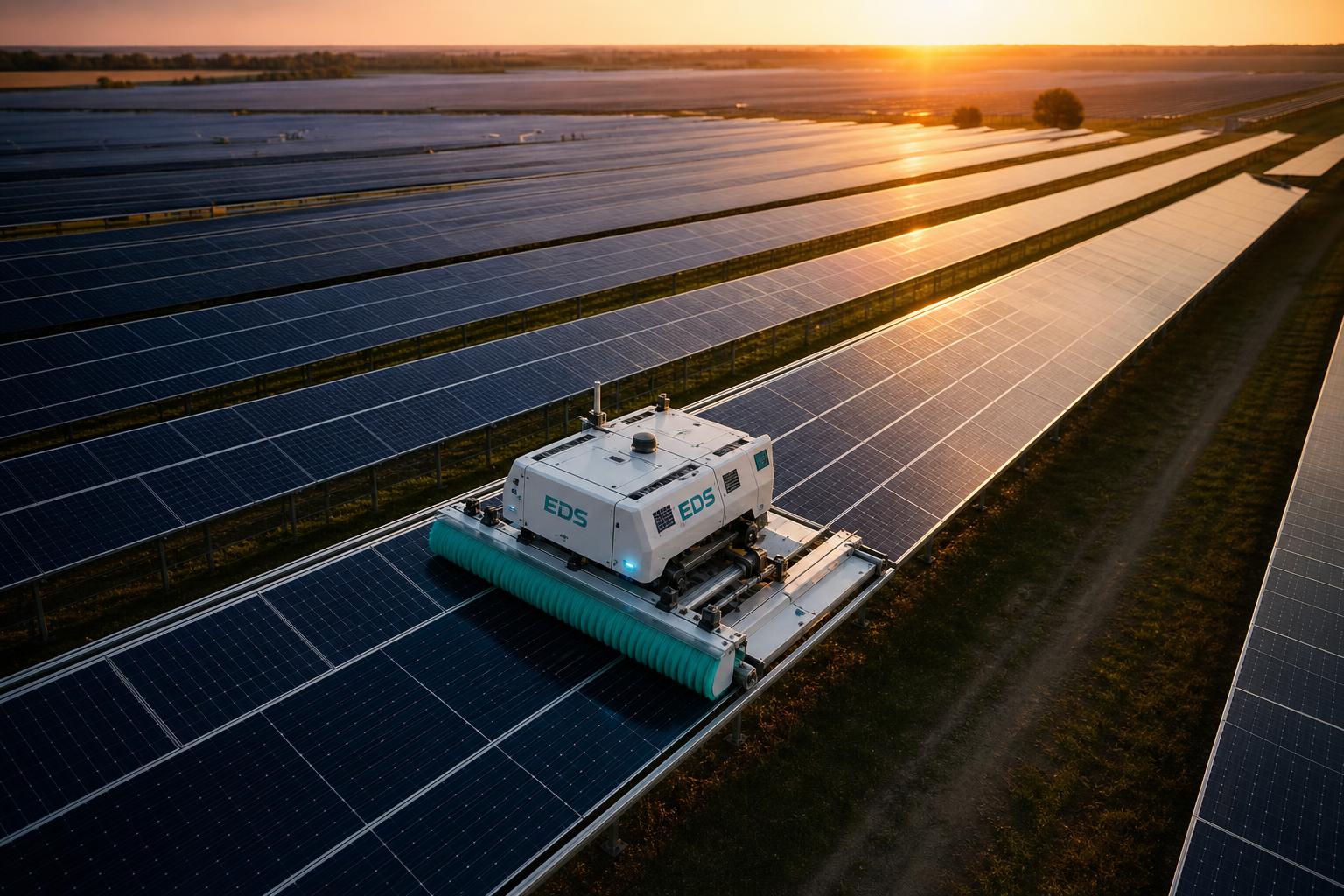
Most California solar farms need both robotic and manual washing, not one or the other. Robotic cleaners are built for long, uniform rows, and manual crews handle what robots cannot: array edges, soiling hot spots, complex geometries and tracker rows. The right mix depends on each site’s row geometry and acreage, which is why Every Detail Solar designs it site by site.
Where do robotic cleaners work best on a California solar farm?
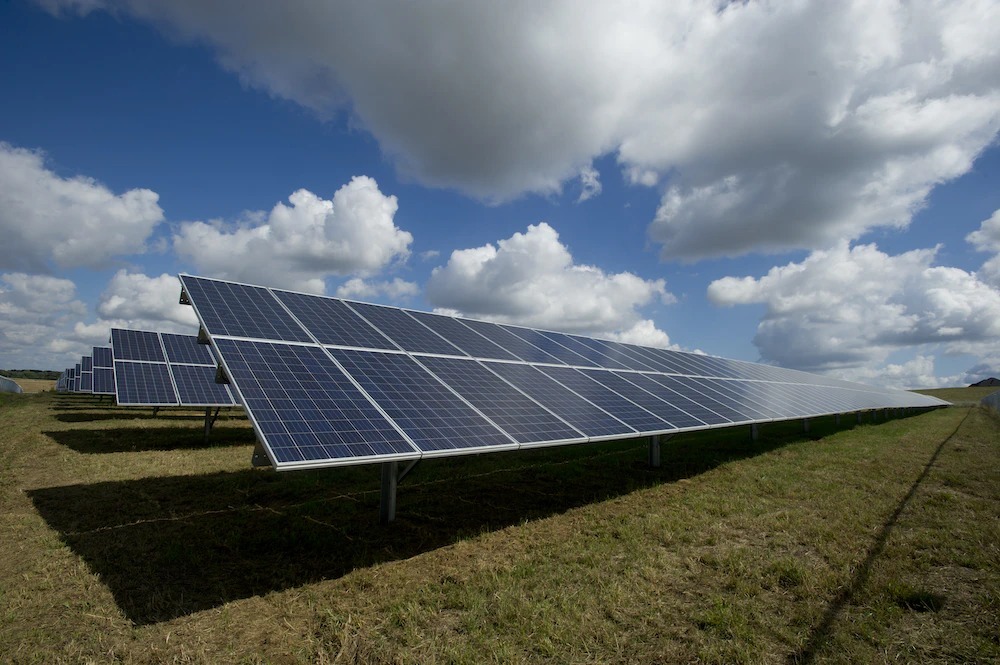
Robotic cleaners work best on long, uniform rows where the geometry repeats. On those rows a robot moves quickly and consistently, which is why utility-scale farms in the Central Valley and the Antelope Valley get robotic-plus-manual programs sized to their acreage. Our machines run on compact tracks and are narrow enough to reach rows that larger equipment cannot.
Robot selection depends on row geometry, panel count, tilt angle and site access. Our robotic systems are compatible with standard monocrystalline and polycrystalline silicon panels from all major manufacturers.
What do manual crews handle that robots cannot?
Manual crews handle array edges, soiling hot spots, complex geometries and tracker rows. Those are the places where a uniform robotic pass falls short.
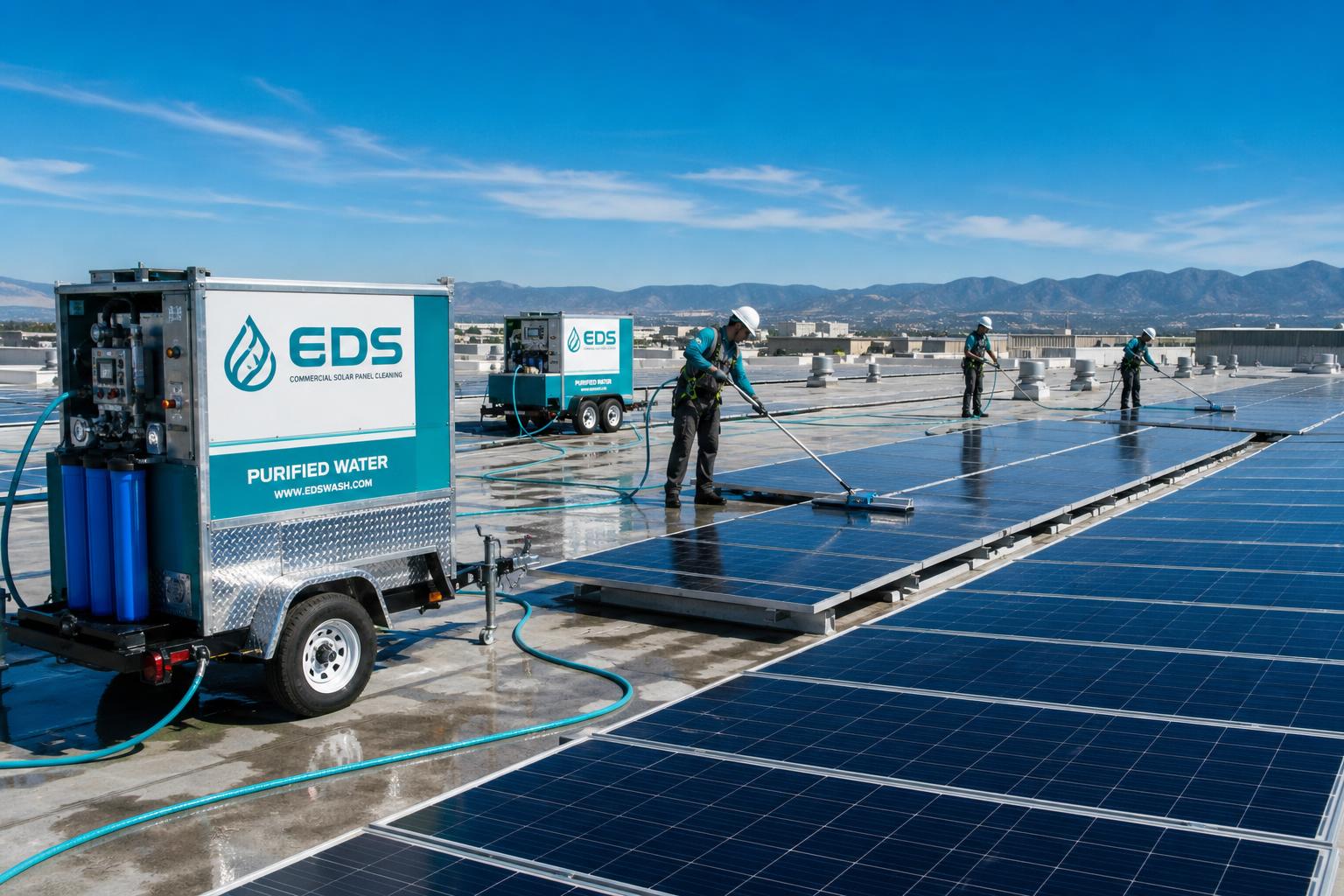
Manual washing uses purified, deionized water with soft-bristle brushes on extended-reach equipment, calibrated by panel type and within manufacturer cleaning guidelines.
Why does California soiling make the mix matter?
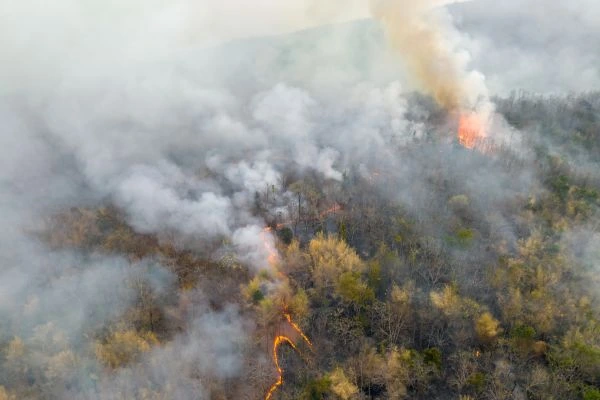
California is one of the highest-soiling states, with wildfire ash and Central Valley agricultural dust on top of a long dry season. In Kern County, most of the little annual rainfall falls in a short winter window, and rain does not reliably clean panels. In Tulare County, dairy, orchard and farm-road dust build up on Visalia, Tulare and Porterville arrays.
Heavy soiling raises the cost of missing anything. A program that relies only on robots can leave edges and hot spots dirty, and a program that relies only on crews takes longer to cover the uniform field. A combined program puts each method where it does the most good.
What water should be used?
Purified water. Rinsing a Kern County array with untreated local water can leave a mineral film that is worse than the dust it replaced, so washing is done with purified water so nothing is left behind as the panels dry. Deionized water leaves no mineral deposits or streaks.
How is a combined program designed?
It starts with a ground survey of soiling, row spacing, access and water sources. From there we design crew lines and the robotic and manual mix to match row geometry and acreage, and we wash row by row so the array keeps producing. Washes are scheduled around low-irradiance windows and your dispatch or curtailment plan, and the result is verified against your string-level monitoring.
Frequency comes from your site’s own soiling data and production trends, not generic assumptions. Most of our solar farm clients are on quarterly or biannual programs, and several Central Valley conditions warrant washing beyond the quarterly baseline.
Should a site buy its own robots?
Some operators do. Every Detail Solar sells commercial and utility-scale cleaning robots, telescopic washers and deionized water systems, and robotic systems include a setup and commissioning visit and documented maintenance schedules. Whether owning makes sense depends on site size, soiling rate and labor costs, so every robot quote comes with a detailed ROI model.
To scope a combined program for a California site, see utility-scale solar farm cleaning, ground-mount cleaning or solar panel cleaning in Kern County, or browse solar panel cleaning robots for sale.