Solar Panel Cleaning for Hospitals and Healthcare Facilities: Maintaining Critical Infrastructure
Solar Panel Cleaning for Hospitals and Healthcare Facilities: Maintaining Critical Infrastructure
Solar panels are becoming more common in hospitals and healthcare facilities as a way to reduce energy costs and improve sustainability. However, these panels need regular cleaning to work at their best. This blog post will explore why clean solar panels are crucial for healthcare facilities and how to maintain them effectively.
The Importance of Clean Solar Panels in Healthcare
Energy Efficiency
Clean solar panels can produce more electricity. In a hospital setting, where power is needed 24/7, this extra efficiency can make a big difference. Dirty panels might reduce energy output by 15-25%, which could affect critical operations.
Cost Savings
Hospitals are always looking for ways to save money. Clean solar panels help reduce energy bills, freeing up funds for patient care. Over time, these savings can add up to significant amounts.
Environmental Impact
Many hospitals aim to reduce their carbon footprint. Clean, efficient solar panels help achieve this goal by maximizing renewable energy use. This not only helps the environment but also improves the hospital’s image in the community.
Challenges of Solar Panel Maintenance in Healthcare Settings
Access Issues
Hospital roofs often have limited access due to safety concerns. This can make it difficult for cleaning crews to reach the panels regularly.
Scheduling Conflicts
Hospitals never sleep, so finding a good time for cleaning that doesn’t disrupt operations can be tricky.
Infection Control
In a healthcare setting, any maintenance work must follow strict hygiene protocols to prevent the spread of infections.
Best Practices for Solar Panel Cleaning in Hospitals
Regular Inspections
Set up a schedule for checking the panels. This helps catch any issues early before they become big problems.
Professional Cleaning Services
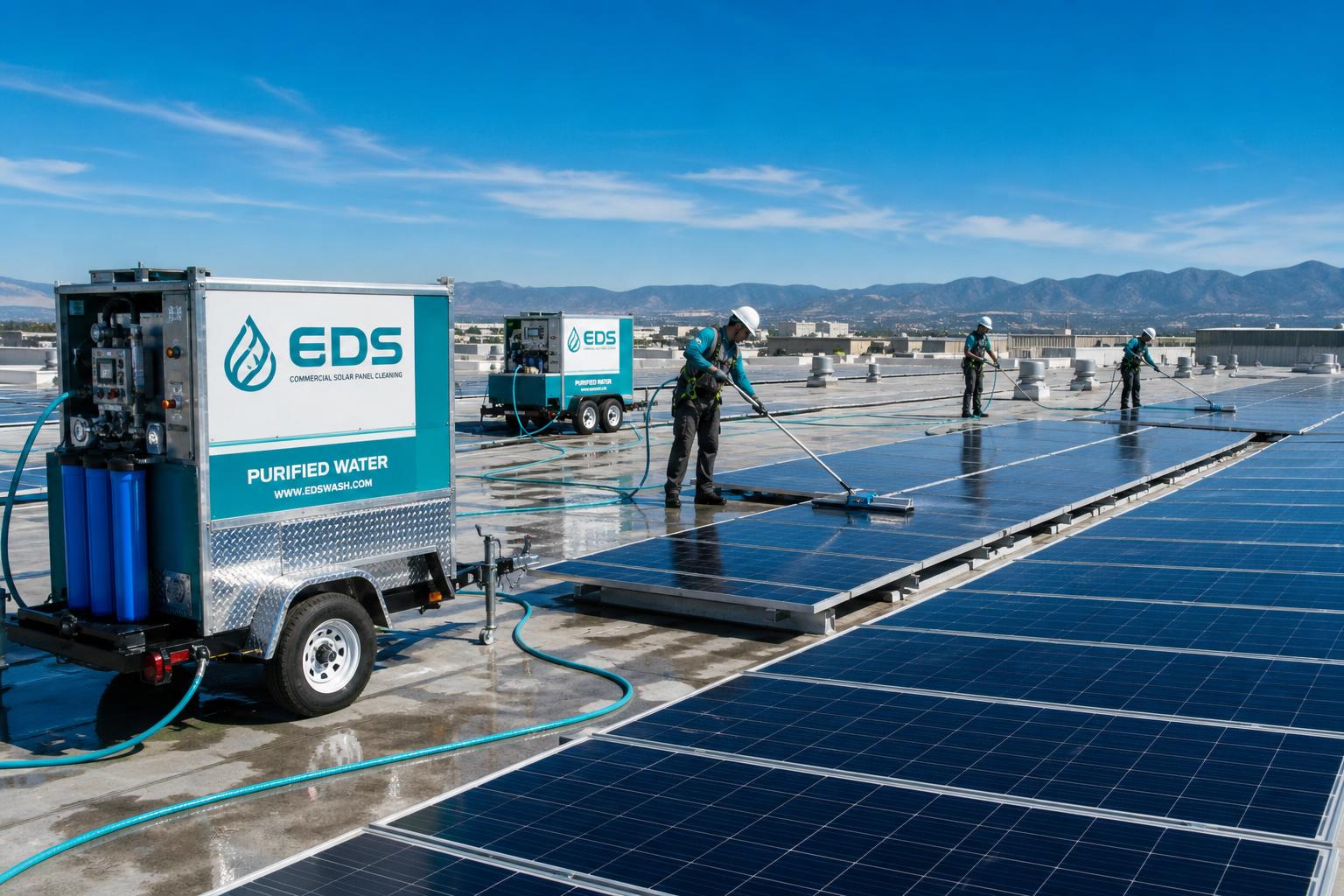
While some basic cleaning can be done in-house, it’s often best to hire professionals who know how to clean panels safely and effectively.
Water Conservation Methods
Use cleaning methods that conserve water, such as special brushes or automated systems. This aligns with many hospitals’ sustainability goals.
Safe Cleaning Products
Choose cleaning products that are effective but won’t harm the panels or create fumes that could affect patients or staff.
The Role of Technology in Solar Panel Maintenance
Automated Cleaning Systems
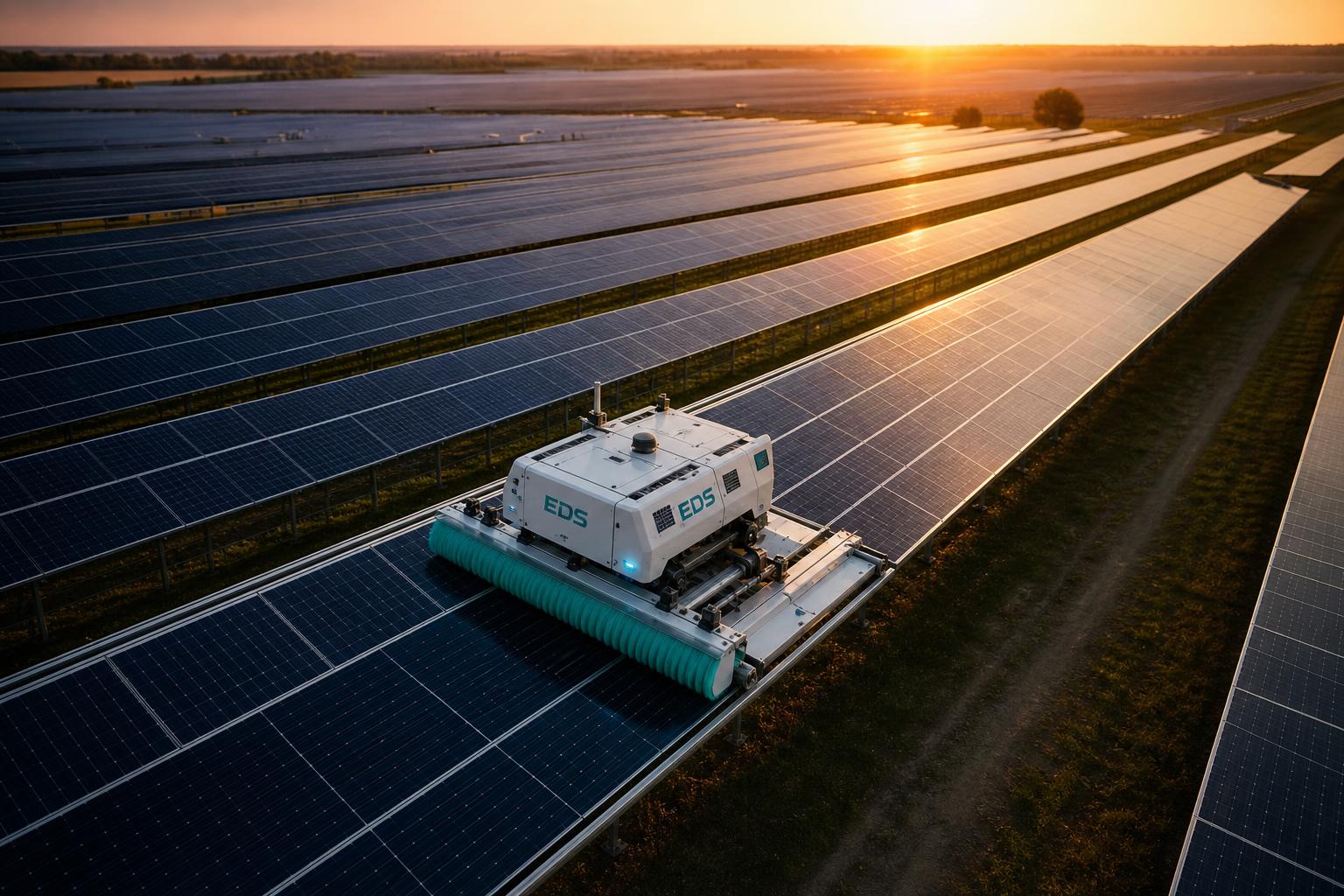
Some hospitals are investing in robotic cleaning systems that can clean panels regularly without human intervention.
Monitoring Software
Special software can track panel performance, alerting staff when cleaning or maintenance is needed.
Drone Inspections
Drones equipped with cameras can inspect panels quickly and safely, even in hard-to-reach areas.
Training Staff for Solar Panel Maintenance
Basic Cleaning Procedures
Train facility staff on simple cleaning tasks they can perform safely.
Identifying Problems
Teach staff how to spot signs of damage or decreased performance in solar panels.
Safety Protocols
Ensure all staff involved in panel maintenance understand safety procedures, especially when working at heights.
Conclusion
Clean solar panels are a crucial part of maintaining critical infrastructure in hospitals and healthcare facilities. By following best practices and using new technologies, these institutions can keep their solar panels working efficiently, saving money and supporting their sustainability goals.
Introduction Hospitals don’t tolerate downtime in critical systems — and for healthcare facilities that have invested in commercial solar, ‘critical infrastructure’ now extends to the rooftop array. A 15% soiling loss on a hospital’s solar installation isn’t just an energy efficiency issue; it’s a direct reduction in the on-site generation capacity that supports resilience planning. In this post, we focus on what commercial solar maintenance looks like for healthcare environments: the scheduling constraints, infection-control considerations, documentation requirements, and why maintenance consistency matters more here than almost anywhere. Common Local Pollutants Pollen Ah, spring! The birds are chirping, flowers are blooming, and… your solar panels are getting covered in pollen. If you live in an area with lots of trees or flowers, you’ve probably noticed that yellow dusting on everything come springtime. Did you know? In some areas, pollen can reduce solar panel efficiency by up to 25%! Here’s what you can do: Regular cleaning during pollen season (usually spring) Consider installing a pollen filter around your panels Plant low-pollen producing plants in your garden Industrial Dust For those of us living near factories or construction sites, industrial dust can be a real pain. This stuff is often sticky and can really cling to your panels, blocking out precious sunlight. My friend Sarah lives near a cement factory, and she noticed her solar output dropping significantly over time. After a good cleaning, her panels were back to full power! To combat industrial dust: Clean your panels more frequently, especially after windy days Use a slightly stronger cleaning solution (but be careful not to damage the panels!) Consider installing protective covers when not in use Saltwater Corrosion Living by the sea sounds dreamy, right? Well, it can be a bit of a nightmare for your solar panels. Salt in the air can corrode the metal parts of your solar setup and leave a residue on the panels themselves. To protect against saltwater corrosion: Rinse panels with fresh water regularly Apply a protective coating designed for marine environments Make sure all metal components are properly sealed and protected Cleaning Tips for Different Pollutants General Cleaning Method Start with a gentle rinse to remove loose debris Use a soft brush or sponge with mild soap and water Rinse thoroughly with clean water Dry with a squeegee or soft cloth to prevent water spots Pollen-Specific Cleaning Clean early in the morning when pollen counts are lower Use a slightly damp microfiber cloth to pick up pollen particles Consider using an air blower before washing to remove loose pollen Industrial Dust Removal Use a biodegradable degreaser for extra cleaning power Let the cleaning solution sit for a few minutes before scrubbing Rinse extra thoroughly to remove all cleaning residue Saltwater Residue Cleaning Use distilled water for cleaning to prevent additional mineral deposits Apply a vinegar solution (1 part vinegar to 8 parts water) for tough salt stains Dry panels immediately and thoroughly to prevent water spots Preventive Measures Protective Coatings There are some great protective coatings out there that can help keep your panels cleaner for longer. These work kind of like the wax on your car — they create a slick surface that dirt and grime have a hard time sticking to. Automated Cleaning Systems For those who want to take the work out of cleaning, there are automated systems available. These can range from simple sprinkler-like setups to more advanced robotic cleaners. They’re especially useful in dusty or high-pollen areas. Regular Maintenance Schedule The best way to keep your panels in top shape is to stick to a regular cleaning schedule. How often you need to clean will depend on your local conditions, but a good rule of thumb is to check them monthly and clean as needed. Conclusion Remember, clean panels are happy panels! By understanding the unique challenges in your area and taking steps to combat them, you can keep your solar setup running at peak efficiency. So grab that squeegee, put on some tunes, and show your panels some love. Your wallet (and the planet) will thank you! [/oxygen] #respond Copyright 2025 Every Detail Solar® All Rights Reserved.