Solar Incentives: The Importance of Solar Panel Maintenance

Solar Incentives and the Importance of Maintaining Your System for Eligibility
Let’s chat about something that’s close to our hearts and wallets — solar incentives. We all love saving money, right? Well, did you know that keeping your solar system in tip-top shape isn’t just good for its performance, but it’s also crucial for staying eligible for those sweet financial perks? Let’s dive in and explore this sun-powered world together!
Understanding Solar Incentives
Types of Solar Incentives
Solar incentives come in all shapes and sizes, kind of like a box of chocolates. Here are some of the most common ones:
- Federal Tax Credits: Uncle Sam gives you a pat on the back for going green.
- State Rebates: Your state might chip in to help with the initial costs.
- Performance-Based Incentives: The more power you generate, the more you earn!
- Net Metering: Sell your excess energy back to the grid. It’s like having a lemonade stand, but with electricity!
Eligibility Criteria
Now, here’s the catch — these incentives aren’t just handed out willy-nilly. There are some boxes you need to tick:
- System Size: Sometimes, bigger isn’t always better in the eyes of incentive programs.
- Installation Date: Timing is everything!
- Equipment Quality: Only the good stuff qualifies.
- Proper Installation: It needs to be done right by certified professionals.
Remember, each incentive program has its own set of rules. It’s like different clubs with different dress codes!
The Importance of Solar System Maintenance
Why Maintenance Matters
Think of your solar system like a car. You wouldn’t expect your car to run smoothly for years without an oil change, would you? Same goes for your solar panels. Regular maintenance:
- Keeps your system running efficiently
- Helps spot small issues before they become big problems
- Ensures you’re getting the most bang for your buck
Common Maintenance Tasks
Here’s what keeping your solar system happy looks like:
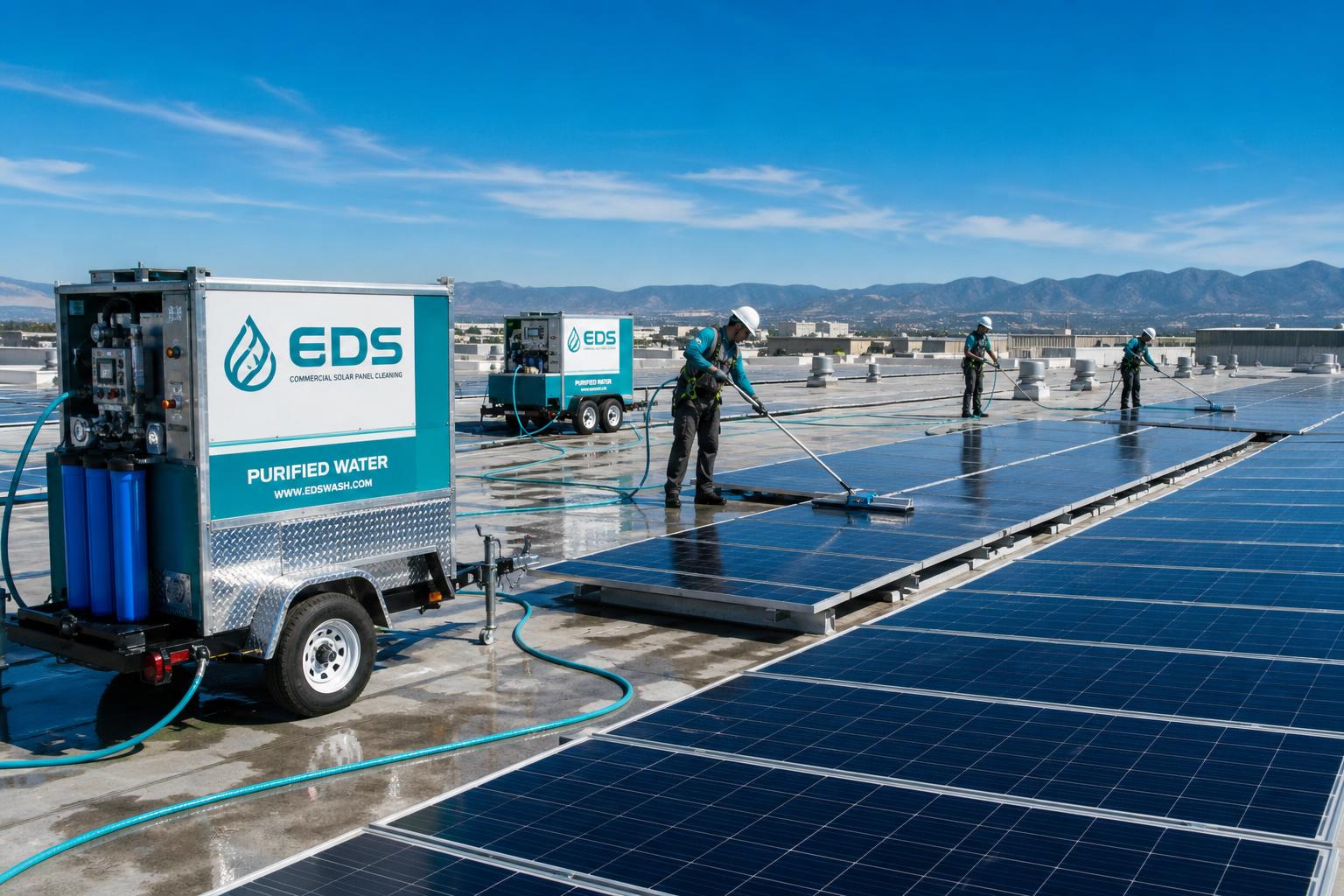
- Regular cleaning: A quick wash can make a big difference!
- Inspections: Let the pros take a look every now and then.
- Monitoring performance: Keep an eye on your energy production.
- Replacing parts: Sometimes, things wear out and need a swap.
How Maintenance Affects Incentive Eligibility
Performance Requirements
Many incentives are like strict teachers — they expect results! If your system isn’t performing up to snuff due to poor maintenance, you might see your incentives disappear faster than ice cream on a hot day.
Documentation and Reporting
Paperwork isn’t fun, but it’s necessary. Keeping good records of your maintenance efforts can be the difference between keeping and losing your incentives.
Inspection and Verification
Don’t be surprised if someone wants to check up on your system. Regular inspections are often part of the deal when it comes to incentives.
Tips for Maintaining Eligibility
- Set reminders for regular maintenance tasks
- Keep detailed records of all maintenance activities
- Stay informed about changes in incentive programs
- Consider professional maintenance services
Pro tip: Create a maintenance calendar. It’s like a birthday reminder, but for your solar panels!
Conclusion
Taking care of your solar system isn’t just about keeping the lights on — it’s about keeping the savings flowing too. By staying on top of maintenance, you’re not just being a responsible solar owner, you’re also ensuring you get to enjoy those fantastic incentives for years to come. So, grab that squeegee, schedule that inspection, and keep soaking up those solar savings!
Introduction Federal and state solar incentives are generous — the ITC, MACRS depreciation, state rebates — but they’re all predicated on your system actually producing the energy it’s rated for. A poorly maintained array that underperforms by 20% isn’t just leaving money on the table operationally; it may affect how your investment pencils out over its depreciation schedule. In this post, we connect the dots between solar incentive programs and the maintenance practices that ensure you capture every kilowatt-hour those incentives are designed to reward. Common Local Pollutants Pollen Ah, spring! The birds are chirping, flowers are blooming, and… your solar panels are getting covered in pollen. If you live in an area with lots of trees or flowers, you’ve probably noticed that yellow dusting on everything come springtime. Did you know? In some areas, pollen can reduce solar panel efficiency by up to 25%! Here’s what you can do: Regular cleaning during pollen season (usually spring) Consider installing a pollen filter around your panels Plant low-pollen producing plants in your garden Industrial Dust For those of us living near factories or construction sites, industrial dust can be a real pain. This stuff is often sticky and can really cling to your panels, blocking out precious sunlight. My friend Sarah lives near a cement factory, and she noticed her solar output dropping significantly over time. After a good cleaning, her panels were back to full power! To combat industrial dust: Clean your panels more frequently, especially after windy days Use a slightly stronger cleaning solution (but be careful not to damage the panels!) Consider installing protective covers when not in use Saltwater Corrosion Living by the sea sounds dreamy, right? Well, it can be a bit of a nightmare for your solar panels. Salt in the air can corrode the metal parts of your solar setup and leave a residue on the panels themselves. To protect against saltwater corrosion: Rinse panels with fresh water regularly Apply a protective coating designed for marine environments Make sure all metal components are properly sealed and protected Cleaning Tips for Different Pollutants General Cleaning Method Start with a gentle rinse to remove loose debris Use a soft brush or sponge with mild soap and water Rinse thoroughly with clean water Dry with a squeegee or soft cloth to prevent water spots Pollen-Specific Cleaning Clean early in the morning when pollen counts are lower Use a slightly damp microfiber cloth to pick up pollen particles Consider using an air blower before washing to remove loose pollen Industrial Dust Removal Use a biodegradable degreaser for extra cleaning power Let the cleaning solution sit for a few minutes before scrubbing Rinse extra thoroughly to remove all cleaning residue Saltwater Residue Cleaning Use distilled water for cleaning to prevent additional mineral deposits Apply a vinegar solution (1 part vinegar to 8 parts water) for tough salt stains Dry panels immediately and thoroughly to prevent water spots Preventive Measures Protective Coatings There are some great protective coatings out there that can help keep your panels cleaner for longer. These work kind of like the wax on your car — they create a slick surface that dirt and grime have a hard time sticking to. Automated Cleaning Systems For those who want to take the work out of cleaning, there are automated systems available. These can range from simple sprinkler-like setups to more advanced robotic cleaners. They’re especially useful in dusty or high-pollen areas. Regular Maintenance Schedule The best way to keep your panels in top shape is to stick to a regular cleaning schedule. How often you need to clean will depend on your local conditions, but a good rule of thumb is to check them monthly and clean as needed. Conclusion Remember, clean panels are happy panels! By understanding the unique challenges in your area and taking steps to combat them, you can keep your solar setup running at peak efficiency. So grab that squeegee, put on some tunes, and show your panels some love. Your wallet (and the planet) will thank you! [/oxygen] #respond Copyright 2025 Every Detail Solar® All Rights Reserved.