
24/7 Support Available
Every Detail Solar
Location · Nevada

Solar Panel Cleaning in Nevada

Alkaline desert dust, hard water, and the lowest rainfall in the country - Nevada is a severe, no-rinse soiling environment that demands pure-water cleaning.

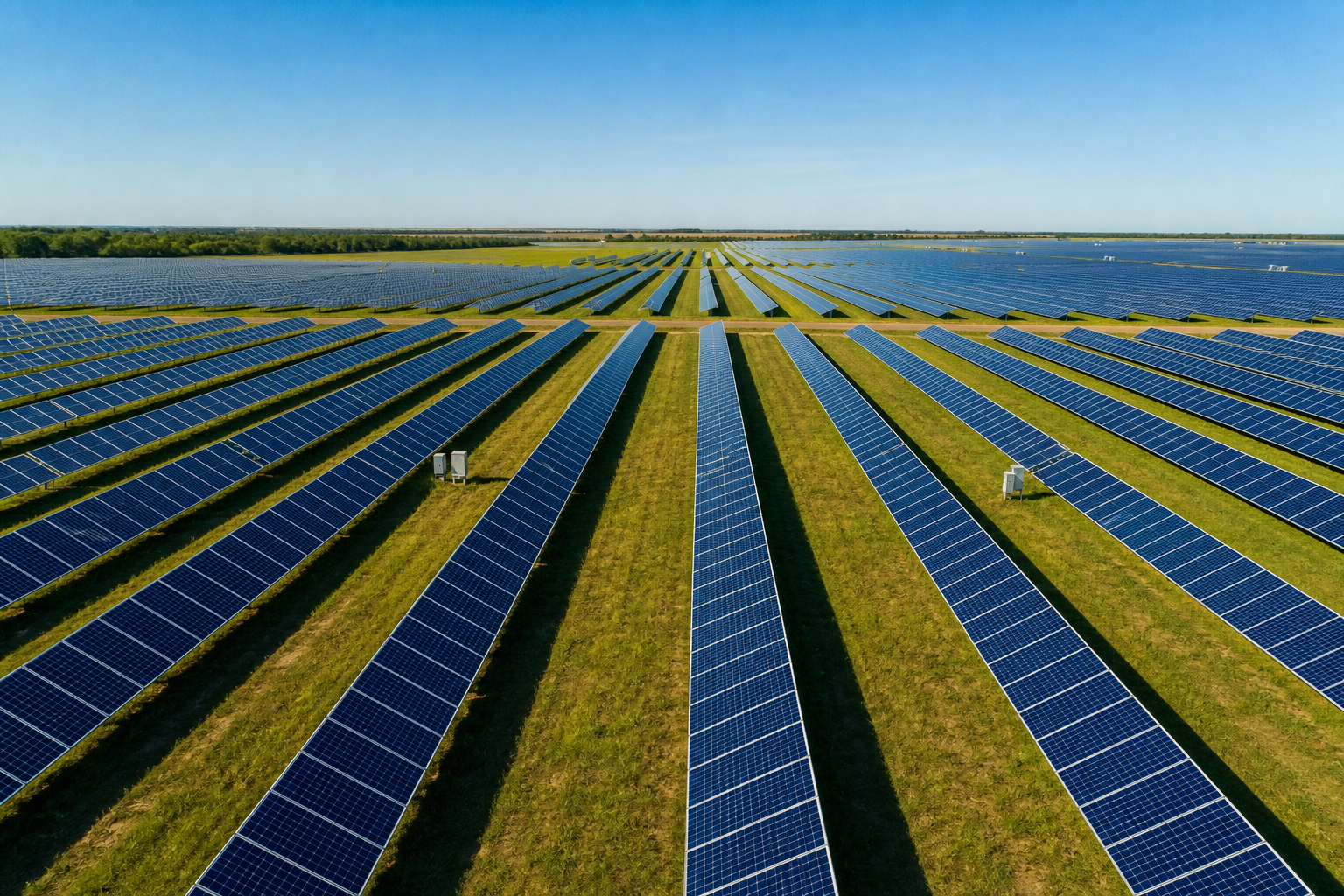
Desert utility solar farm in Nevada serviced by Every Detail Solar

Every Detail Solar cleans commercial solar arrays across Nevada, the driest state in the country, where alkaline desert dust and hard water create a severe, low-rinse soiling environment that only pure-water cleaning fully resolves. In Nevada there is no rain to fall back on - if you're not washing, you're losing output, and if you're washing with the wrong water, you're just moving spots around.

Nevada's soiling story: alkaline dust with no rinse

  • Playa & desert dust. Nevada's dust is often alkaline and mineral-rich, lifted from dry lakebeds and arid soils. It's chemically stickier than ordinary dirt and cements onto glass over a long dry season.
  • Almost no rain. Nevada averages the lowest precipitation of any U.S. state, so natural rinsing is effectively zero. Dust accumulates uninterrupted.
  • Hard water trap. Cleaning with local hard water leaves mineral spotting that can shade cells - so the wrong wash barely helps.

The U.S. National Renewable Energy Laboratory (NREL) reports average U.S. soiling loss around 3 to 5 percent annually; Nevada's dry desert utility sites sit well above that, which our Soiling & Recovery Report measures by region and season.

How we clean in Nevada

Deionized, pure-water cleaning is mandatory here - we target 2 to 20 ppm dissolved solids so the surface dries spot-free, versus the 300 to 1,800 ppm in typical hard water that leaves shading residue. For desert utility-scale farms we run robotic-plus-manual programs on a tighter cadence; Las Vegas and Reno rooftops and canopies get matched crews. All on our published pricing methodology.

Local proof, honestly

We're building measured, consented Nevada site data and won't post invented local case numbers. The first verified Nevada operator we publish becomes this page's reference case. Until then, ask and we'll connect you with references running comparable desert arrays.

Frequently asked questions

How often should solar panels be cleaned in Nevada? +

Nevada arrays typically justify quarterly cleaning, and many desert utility sites benefit from more frequent service. Nevada is one of the driest states in the country, so there is almost no rinsing rain - dust simply accumulates. In the harshest desert sites, measured soiling losses run well above the national average NREL reports.

What makes Nevada desert dust different? +

Nevada’s desert dust is often alkaline and mineral-heavy, drawn from dry lakebeds (playas) and arid soils. Combined with the state’s hard water, it cements onto glass and leaves mineral spotting that ordinary washing streaks rather than removes. That is why deionized, pure-water cleaning is not optional here - it is the only way to get a spot-free, fully recovered surface.

Does Nevada get enough rain to clean panels? +

No. Nevada is the driest state in the U.S. by average precipitation, so rain does essentially none of the cleaning work for solar. Any Nevada soiling strategy that relies on rain is relying on almost nothing - scheduled washing is the only reliable path to holding output.

Do you serve Las Vegas, Reno, and Nevada utility solar? +

Yes. We serve commercial and utility-scale solar statewide - Las Vegas metro rooftops and canopies, Reno-area arrays, and the large desert utility farms across Nevada - with regional and travel crews.

Get a free production-loss estimate for your Nevada site

With no rain to help, Nevada arrays often carry the highest recoverable output. Send your site details.