Drone Inspections for Commercial Solar Panels: A Cutting-Edge Approach to Maintenance
Drone Inspections for Commercial Solar Panels: A Cutting-Edge Approach to Maintenance
Solar energy has become increasingly popular in recent years, with many businesses turning to commercial solar panels to reduce their carbon footprint and energy costs. However, maintaining these large-scale solar installations can be challenging and time-consuming. Enter drone inspections — a modern solution that’s changing the game in solar panel maintenance.
The Need for Efficient Solar Panel Inspections
Traditional solar panel inspections often involve technicians climbing onto rooftops or using cherry pickers to examine panels up close. This method is not only time-consuming but also poses safety risks. Moreover, it can be difficult to spot minor issues that might lead to bigger problems down the line.
How Drone Inspections Work
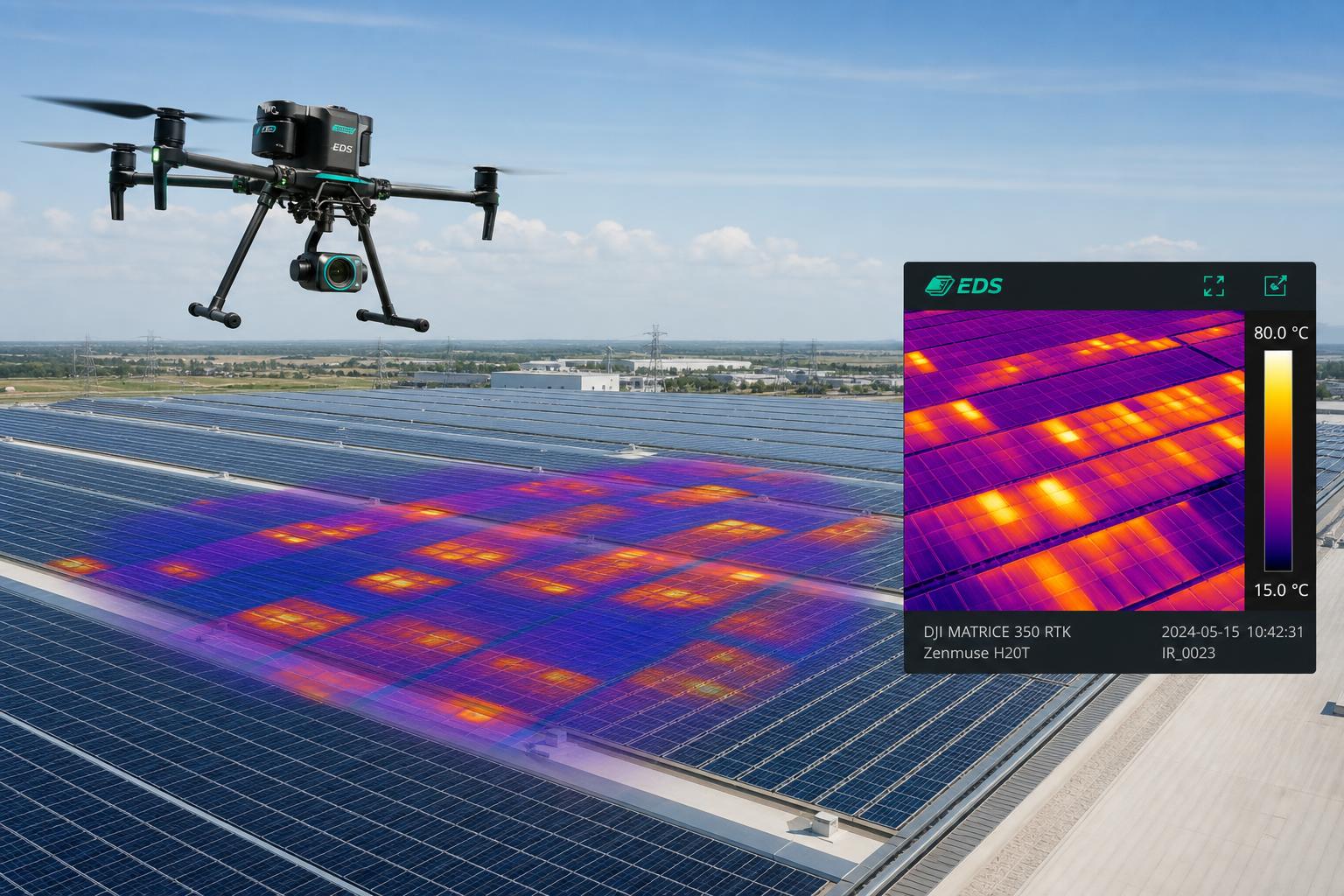
Drones equipped with high-resolution cameras and thermal imaging technology can quickly scan large areas of solar panels, capturing detailed images and data. Here’s how the process typically unfolds:
- Planning the flight path
- Launching the drone
- Capturing images and thermal data
- Analyzing the collected information
- Generating reports and maintenance recommendations
Benefits of Drone Inspections for Solar Panels
Time and Cost Efficiency
Drone inspections can cover large areas much faster than manual inspections. This speed translates to significant time and cost savings for businesses.
Enhanced Safety
By eliminating the need for technicians to work at heights, drone inspections greatly reduce the risk of accidents and injuries.
Improved Accuracy
High-resolution cameras and thermal imaging can detect issues that might be missed by the human eye, such as micro-cracks or hotspots.
Minimal Disruption
Drone inspections can be carried out without interrupting the normal operation of the solar panels, ensuring continuous energy production.
Technological Advancements in Drone Inspections
AI and Machine Learning
Recent advancements in AI and machine learning have enhanced the capabilities of drone inspections. These technologies can:
- Automatically identify and categorize defects
- Predict potential future issues based on current data
- Generate detailed reports with minimal human intervention
Multispectral Imaging
Some advanced drones now use multispectral imaging, which can detect issues invisible to the naked eye or even standard cameras.
Real-time Data Transmission
Modern drones can transmit data in real-time, allowing for immediate analysis and faster decision-making.
Challenges and Considerations
While drone inspections offer numerous benefits, there are some challenges to consider:
- Regulatory compliance: Operators must adhere to local drone flight regulations
- Weather dependencies: Drone flights may be limited by weather conditions
- Initial investment: The cost of acquiring drone technology and training operators
The Future of Solar Panel Maintenance
As drone technology continues to advance, we can expect even more sophisticated inspection capabilities. This might include:
- Autonomous drones that can perform inspections without human pilots
- Integration with IoT devices for continuous monitoring
- Advanced predictive maintenance algorithms
Conclusion
Drone inspections represent a significant leap forward in commercial solar panel maintenance. By combining speed, safety, and accuracy, this technology is helping businesses maximize the efficiency and lifespan of their solar investments. As the technology continues to evolve, we can expect drone inspections to become an indispensable tool in the renewable energy sector.
Introduction If you’re still sending technicians with ladders and binoculars to inspect your commercial solar array, you’re leaving efficiency — and safety margin — on the table. Drone-based solar inspections have moved from novelty to best practice over the past few years, and for good reason: a drone with a thermal camera can survey thousands of panels in the time it takes a crew to reach the roofline. In this post, we break down exactly how drone inspections work, what they catch that traditional methods miss, and when the cost makes sense. Common Local Pollutants Pollen Ah, spring! The birds are chirping, flowers are blooming, and… your solar panels are getting covered in pollen. If you live in an area with lots of trees or flowers, you’ve probably noticed that yellow dusting on everything come springtime. Did you know? In some areas, pollen can reduce solar panel efficiency by up to 25%! Here’s what you can do: Regular cleaning during pollen season (usually spring) Consider installing a pollen filter around your panels Plant low-pollen producing plants in your garden Industrial Dust For those of us living near factories or construction sites, industrial dust can be a real pain. This stuff is often sticky and can really cling to your panels, blocking out precious sunlight. My friend Sarah lives near a cement factory, and she noticed her solar output dropping significantly over time. After a good cleaning, her panels were back to full power! To combat industrial dust: Clean your panels more frequently, especially after windy days Use a slightly stronger cleaning solution (but be careful not to damage the panels!) Consider installing protective covers when not in use Saltwater Corrosion Living by the sea sounds dreamy, right? Well, it can be a bit of a nightmare for your solar panels. Salt in the air can corrode the metal parts of your solar setup and leave a residue on the panels themselves. To protect against saltwater corrosion: Rinse panels with fresh water regularly Apply a protective coating designed for marine environments Make sure all metal components are properly sealed and protected Cleaning Tips for Different Pollutants General Cleaning Method Start with a gentle rinse to remove loose debris Use a soft brush or sponge with mild soap and water Rinse thoroughly with clean water Dry with a squeegee or soft cloth to prevent water spots Pollen-Specific Cleaning Clean early in the morning when pollen counts are lower Use a slightly damp microfiber cloth to pick up pollen particles Consider using an air blower before washing to remove loose pollen Industrial Dust Removal Use a biodegradable degreaser for extra cleaning power Let the cleaning solution sit for a few minutes before scrubbing Rinse extra thoroughly to remove all cleaning residue Saltwater Residue Cleaning Use distilled water for cleaning to prevent additional mineral deposits Apply a vinegar solution (1 part vinegar to 8 parts water) for tough salt stains Dry panels immediately and thoroughly to prevent water spots Preventive Measures Protective Coatings There are some great protective coatings out there that can help keep your panels cleaner for longer. These work kind of like the wax on your car — they create a slick surface that dirt and grime have a hard time sticking to. Automated Cleaning Systems For those who want to take the work out of cleaning, there are automated systems available. These can range from simple sprinkler-like setups to more advanced robotic cleaners. They’re especially useful in dusty or high-pollen areas. Regular Maintenance Schedule The best way to keep your panels in top shape is to stick to a regular cleaning schedule. How often you need to clean will depend on your local conditions, but a good rule of thumb is to check them monthly and clean as needed. Conclusion Remember, clean panels are happy panels! By understanding the unique challenges in your area and taking steps to combat them, you can keep your solar setup running at peak efficiency. So grab that squeegee, put on some tunes, and show your panels some love. Your wallet (and the planet) will thank you! [/oxygen] #respond Copyright 2025 Every Detail Solar® All Rights Reserved.